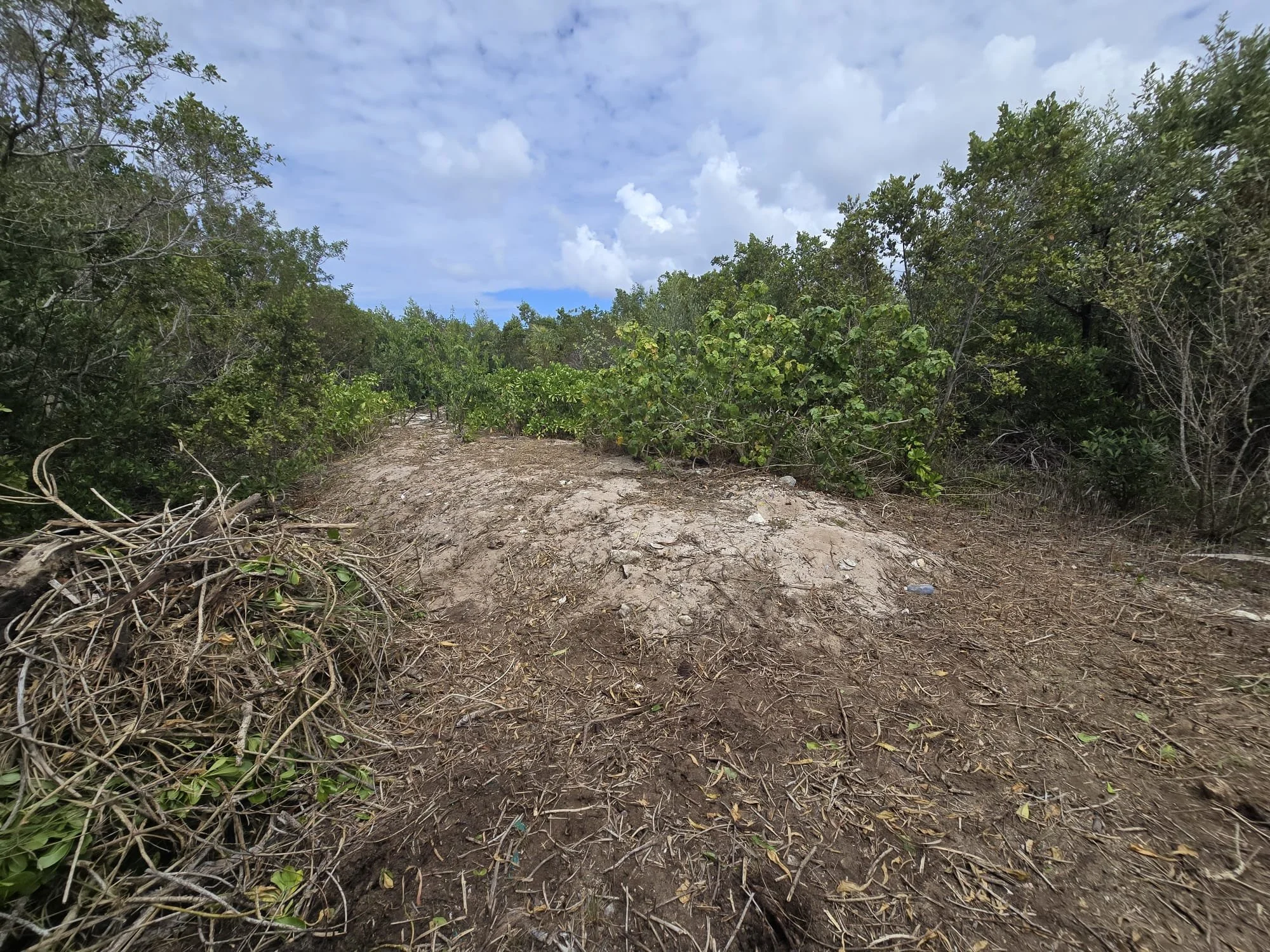
Clearing the land
Every farm has a beginning, and for Little Wild Farm, it started with 0.4 acres of land waiting to be transformed.
At first, my husband and I thought we could tackle the job ourselves. We stepped out onto the land, tools in hand, ready to start clearing. It didn’t take long for us to realize just how big of a a task we had taken on. Clearing 0.4 acres is no small job, and the land quickly reminded us of that.
After spending some time working at it, we looked at each other and came to the same conclusion — this was a job that needed heavier equipment. Sometimes building something meaningful also means knowing when to call in the right help.
So the plan quickly shifted to bringing in someone with a backhoe or similar machinery to properly clear the land and prepare it for what comes next.
It may seem like a small step, but clearing the land is the very first chapter in the journey of Little Wild Farm. Once the land is ready, we can begin shaping the beds, preparing the soil, and planting the seeds that will eventually grow into the farm we’ve been dreaming about.
Building Little Wild Farm
Starting Little Wild Farm has been both exciting and humbling. What many people see as a small farm project actually involves a lot of planning, learning, and hands-on work behind the scenes. From clearing the land and preparing the soil, to designing planting beds and organizing crop plans, every step takes time, patience, and dedication.
One of the things I’m most proud of during this process is becoming certified through the Department of Agriculture. This step is important because it ensures that the farm is being developed the right way, with proper agricultural practices and guidance. It also represents a commitment to doing this seriously and building something sustainable for the future.
As the farm grows, we plan to cultivate a wide range of fresh produce and herbs for our community. Some of the crops we’re preparing to grow include pumpkin, tomatoes, culantro, sage, rosemary, and other seasonal vegetables and herbs. The goal is to create a diverse and vibrant farm that produces fresh, healthy food while respecting the natural rhythm of the land.
This journey is not something that happens alone. Community support plays a huge role in making projects like this possible. Encouragement, shared knowledge, and simply knowing that people care about local farming can make all the difference. When communities support local farms, they’re not just supporting one project — they’re helping strengthen local food systems and creating opportunities for future generations.
Little Wild Farm is still in its early stages, and there is so much more work ahead. But every day we get closer to seeing the vision take root. I’m grateful for everyone who has supported this journey so far, and I’m excited to continue growing something meaningful right here at home.